
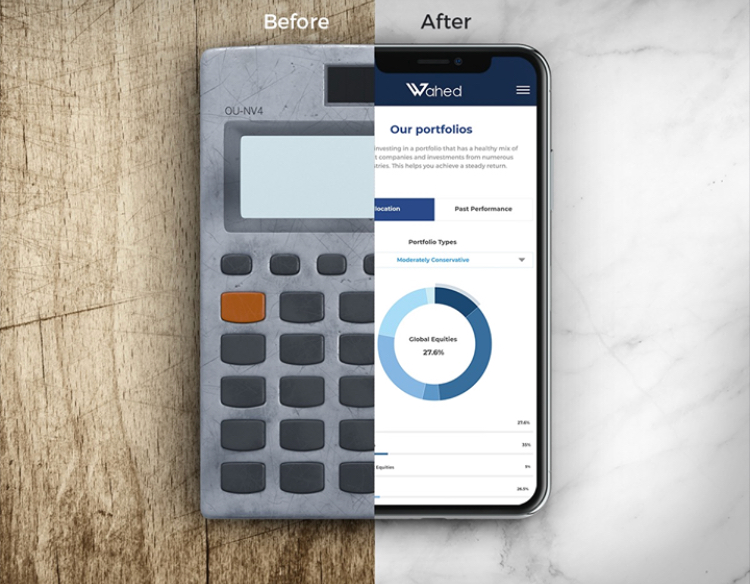
by comparing today with 20 years ago.
In the past, we could not imagine the world with high technology where everything is connected…
With a convergence of disruptive technologies, everything we know about business is changing rapidly, as smartphones and social media platforms replaced film and photo albums.
As for changes – we have greater access to the internet, digital developments have created a wave of innovation and changed the way businesses operate and deliver products to consumers in many sectors.
One sector that I think most people are familiar with is the financial sector as banks. As Banks play a vital role in the economy for offering a service for people who wish to save money and to businesses who want to invest and expand (Pettinger, 2017).
With advanced technology, banks now realise the possibilities of digital technologies such as revolutionising the mobile and digital banking system, updated ATM, and fraud detection.

1. Mobile Banking
This system will be more effortless because it builds up more comfortable to use and give more usability for customers.
While, for the traditional banking methods, we have to go into town to the bank to withdraw or transfer money – now, we can do it with just the push of a button.

2. Updated ATM
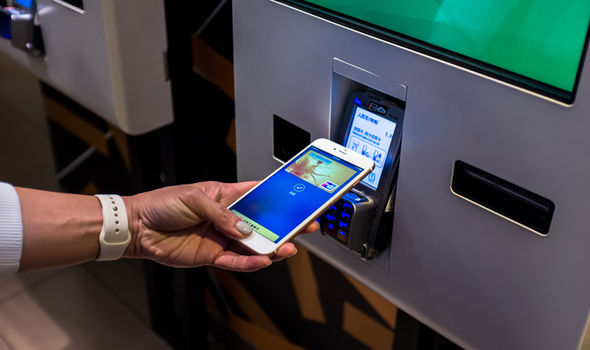
Now, if you have your phone, you’ll be able to conduct contactless ATM transactions.
A few ATM technologies are already accessible overseas. For example, biometric authentication is already employed in India, and iris recognition is used at Qatar National Bank ATMs. These technologies can enable thorough bank security by securing against ATM hacks.

3. Fraud detection
The system would help to track potential fraudulent transactions, by using AI to trace through the history of the victim, then calculate and predict the likelihood of fraud based on previous patterns.
The digital developments have created significant business opportunities by giving customers more choices, being smarter and faster, making fewer mistakes, and saving customers’ time and money. These changes pose opportunities and challenges for both individuals and organisations.
With the increasing necessity for digital change, the progression of technology becomes more efficient than the people. Therefore, the problem will occur to bankers who can be replaced by AI.
The most significant factor is managing the balance between technology and manual intervention, and how harmonising this will further revolutionise the industry for both businesses and consumers.
(How technology is impacting the finance and banking sector, 2018)
References
Finnegan , M. (2014). Barclays expands digital cheque imaging trial to one million customers. Retrieved from techworld: https://www.techworld.com/news/apps-wearables/barclays-expands-digital-cheque-imaging-trial-3590133/
How technology is impacting the finance and banking sector. (2018). Retrieved from InformationAge: https://www.information-age.com/technology-finance-banking-sector-123471800/
Pettinger, T. (2017). Purpose of Banks. Retrieved from economicshelp: https://www.economicshelp.org/blog/glossary/banks/

 Digital Corner
Hello there! I‘ve just read your blogpost and was reminded of an essay that I produced earlier about the future of retail banking and thought I could wake your interest about the relationship between FinTechs (Those startups dealing with financial technology) and classic Banks like the ones you have focussed on as well as the technical implications. I found that vastly interesting! I‘ll try to summarise the topic very briefly: In the future, chances are high that there will be a functional differentiation between banks and FinTechs. While banks might still provide basic infrastructures, FinTechs might specialise in certain areas of the classic banking business. For example, a startup called „LendingClub“ (https://www.lendingclub.com/) is conveying peer-to-peer credits – No bank needed here. However, connecting these providers of „micro-services“ and ensuring a safe and prompt exchange of data is a critical point – The exact point where the hype-topic Blockchain joins the party. I found this report by Deloitte from 2018 very enlightening, so it might as well be interesting for you: https://www.accenture.com/gb-en/_acnmedia/PDF-78/Accenture-Banking-Technology-Vision-2018.pdf
LikeLiked by 1 person
Wow, thank you for sharing this knowledgeable information!
LikeLike